Thursday, September 26, 2013

Apples, Apples, and MORE Apples

Enjoy the delicious
pictures from our
Johnny Appleseed Day!


Wednesday, September 25, 2013

Heart Maps


A heart map is a visual reminder of all a student loves and cares about. It expands students’ minds and helps them think about what really matters.  In doing so, students move away from superficial topics, and travel to a deeper place inside themselves. You'll find students express themselves more authentically and honestly when they share about what they love and value.


Zainy Brainy Math Game Day


Benefits of Playing Math Games


Meaningful Situations - The application of mathematical skills are created by games.


Motivation - Children freely choose to participate and enjoy playing.


Positive Attitude - Games provide opportunities for building self-concept and developing positive attitudes towards mathematics, through reducing the fear of failure and error.


Increased Learning - In comparison to more formal activities, greater learning can occur through games due to the increased interaction between children, opportunities to test intuitive ideas and problem solving strategies.


Different Levels - Games can allow children to operate at different levels of thinking and to learn from each other. In a group of children playing a game, one child might be encountering a concept for the first time, another may be developing his/her understanding of the concept, and a third child may be consolidating previously learned concepts.


Assessment - Children's thinking often becomes apparent through the actions and decisions they make during a game, so the teacher has the opportunity to carry out diagnosis and assessment of learning in a non-threatening situation.


Home and School - Games provide 'hands-on' interactive tasks for both school and home.


Independence - Children can work independently of the teacher. The rules of the game and the children's motivation usually keep them on task.


Tuesday, September 24, 2013

Positive Behavior Program: The 3 Bees

One of the foremost advances in school-wide discipline is the emphasis on school-wide systems of support that include proactive strategies for defining, teaching, and supporting appropriate student behaviors to create positive school environments. Instead of using a piecemeal approach of individual behavioral management plans, a continuum of positive behavior support for all students within a school is implemented in areas including the classroom and nonclassroom settings (such as hallways, buses, and restrooms). Attention is focused on creating and sustaining primary (school-wide), secondary (classroom), and tertiary (individual) systems of support that improve lifestyle results (personal, health, social, family, work, recreation) for all children and youth by making targeted behaviors less effective, efficient, and relevant, and desired behavior more functional.

School-wide and within our classroom, we follow the 3 Bees: Be Safe, Be Respectful, Be Responsible. When a child is following one of the 3 Bees, they are recognized and given a paper Bee to be added to a classroom beehive. Bees are collected daily at the classroom level and then collected by the office on Fridays. Bees are pulled from the hive both at the classroom and the whole school level as an incentive to support positive behavior decision making.

Here are some pictures of the fifth graders teaching our first graders about our school-wide program:


For more information on positive behavior support systems, please visit www.PBIS.org

Wednesday, September 18, 2013

Visualizing

What Is It?

Visualizing refers to our ability to create pictures in our heads based on text we read or words we hear. It is one of many skills that makes reading comprehension possible.

Why Is It Important?

Visualizing strengthens reading comprehension skills as students gain a more thorough understanding of the text they are reading by consciously using the words to create mental images. As students gain more deliberate practice with this skill, the act of visualizing text becomes automatic. Students who visualize as they read not only have a richer reading experience but can recall what they have read for longer periods of time. 

Visualizing text as it is being read or heard also creates personal links between the readers/listeners and text. Readers who can imagine the characters they read about, for instance, may become more involved with what they are reading. This makes for a more meaningful reading experience and promotes continued reading.


IDR- Independent Daily Reading

Independent reading lets students practice strategies that they learned during the other instructional contexts along the gradual release of responsibility.  During independent reading, students read from texts at their independent reading level or texts that are easy enough for them to decode and understand without a lot of effort.  The goals of independent reading are to practice a smoothly operating reading process, to exercise choice, and develop reading interests.  Independent reading that offers guided choice, that teaches children how to select books that are on an appropriate reading level for them, and during which teachers confer with students yields positive results.  It is critical to maintain the balance between student choice and text demands.  Independent reading is often referred to as reading practice, and the ways students interact with texts at this point in the gradual release of responsibility should echo those practiced in read-aloud, shared, and guided reading contexts.


Thursday, September 12, 2013

Change Over Time


Have you ever noticed that the world is always changing?  Scientists observe changes to learn more about the world around them.  Things change in many ways. Some things can change in size, color, or shape.  Some changes are made by people. Some changes take place in nature.  Some changes happen slowly and some changes happen quickly.  Sometimes, when a change takes place, things can reverse, or change back to the way they were.  Water can freeze into ice, but then it can melt into water again.  Other changes cannot be reversed.  Once a caterpillar changes into a butterfly, it cannot change back into a caterpillar.  Some changes are easy to observe.  Other changes must be studied over time. You, too, change in many ways.  How have you grown over the past year?  What have you learned this week?  What changes will you make in your world in the days ahead?  

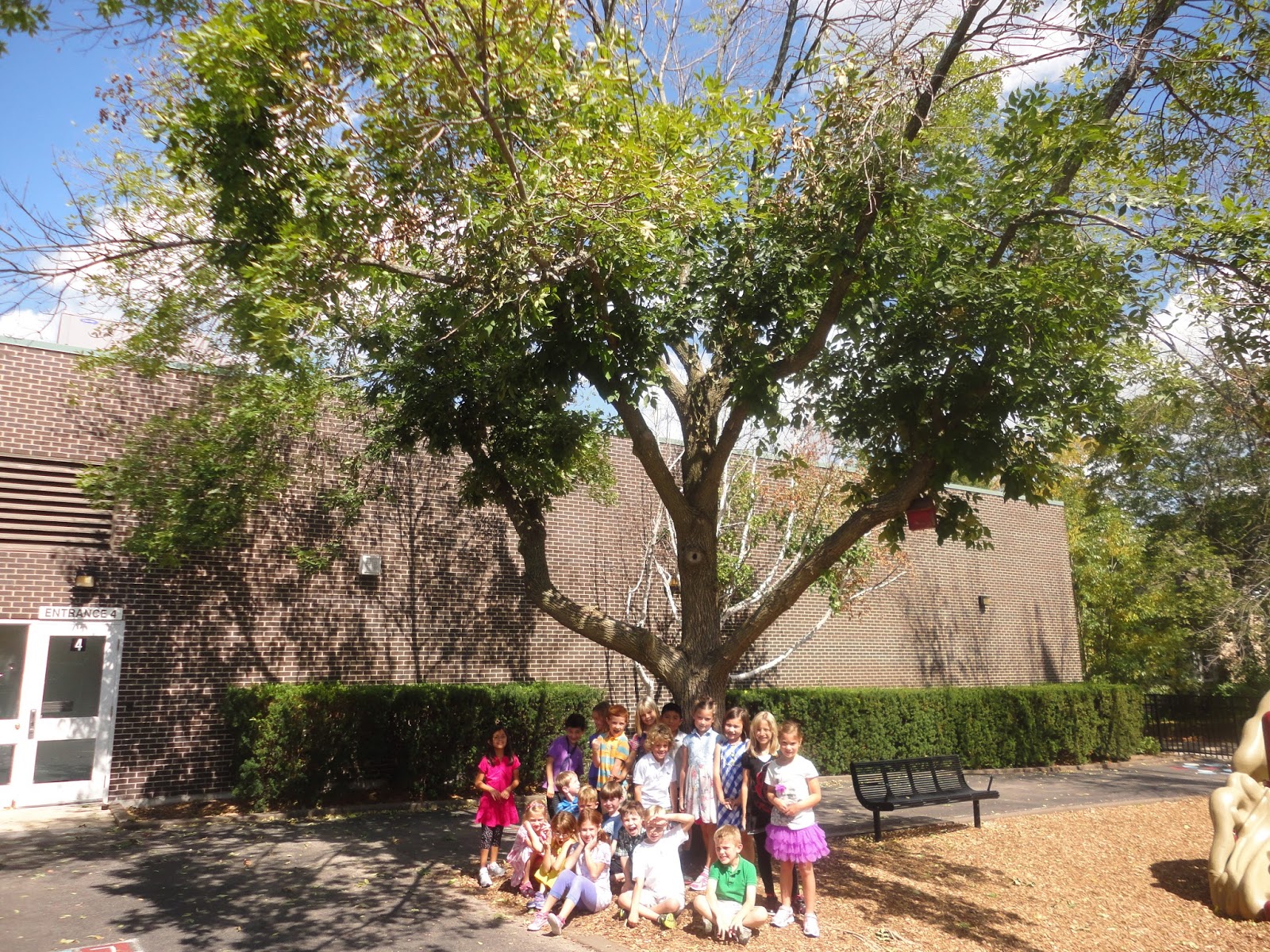
Our year will be filled with growth and change.  Watch as our scientists study and observe the seasons of a tree!
Summer