Sunday, November 17, 2013
France
Thursday, November 14, 2013
Baby Haradon
Please Welcome the Newest Addition to Our Hough Family
Genevieve Susanne Haradon
11.12.13 at 11:31 PM
9 pounds 4 oz - 21 inches
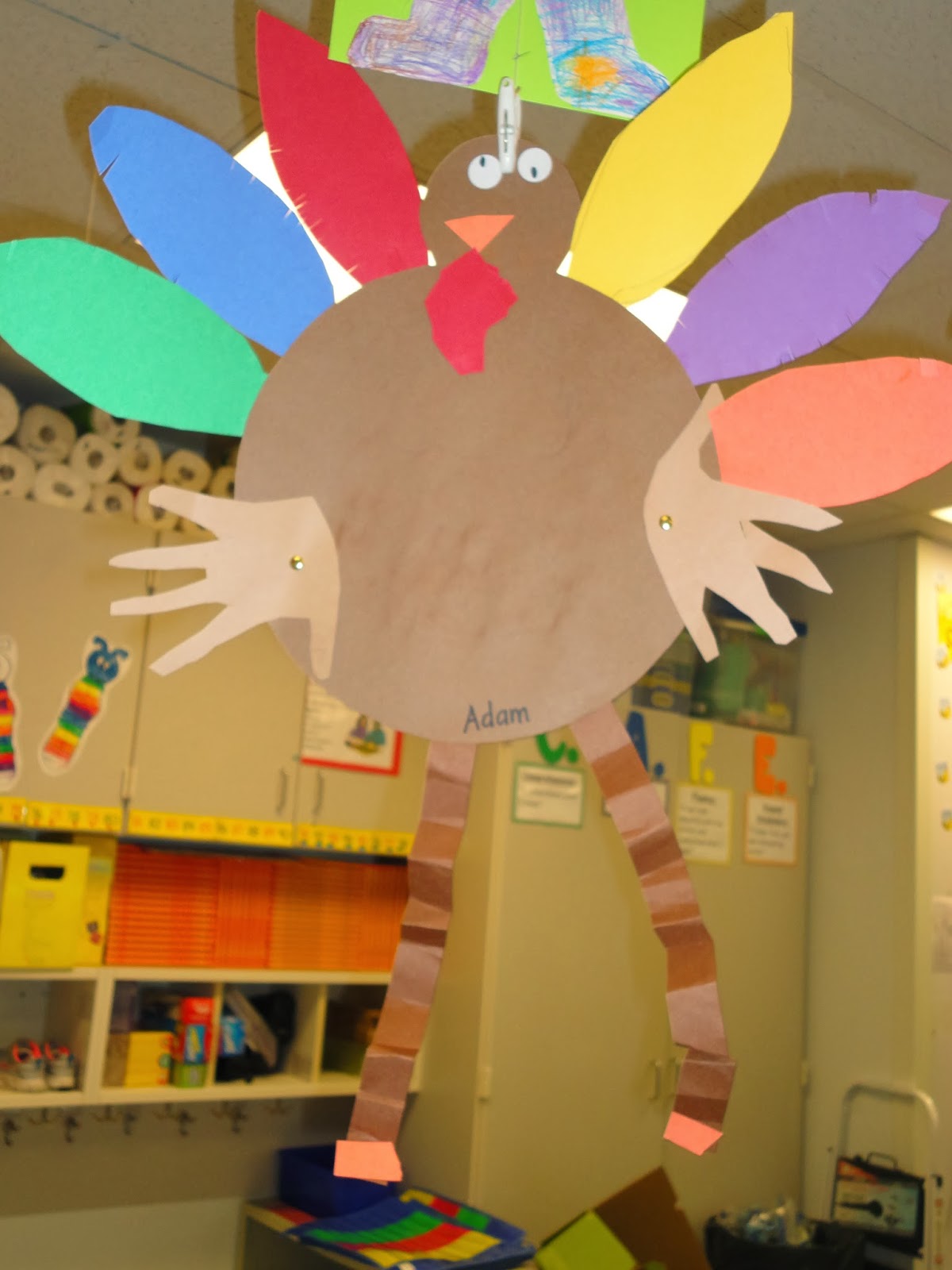
Turkey Talk
The turkey is a funny bird
Its head goes bobble-bobble;
And all he knows is just one word...
And that is
GOBBLE, GOBBLE!!!
HAPPY THANKSGIVING!!
Wednesday, November 13, 2013
Tuesday, November 12, 2013
Fact Families
One of the more common concepts
taught in first grade math is the concept of a fact family (or fact families).
Take, for example, these members of
a fact family: 3, 4, and 7.
The
Fact Family Relationships
In
the family 3, 4, and 7 they are related because you can add two
of the numbers to get the last number.
- 3 + 4 = 7
You can also switch the first two
numbers, using the commutative property of addition, and still get the same
answer.
- 4 + 3 = 7
Fact
Family Cousins
If addition is the direct
relationship amongst these family members, then subtraction is the family
cousin through the inverse property. Simply put, subtraction is the opposite of
addition, but it's still related. The problems still only use the three
members of the family.
- 7 - 3 = 4
- 7 - 4 = 3
Keeping
Track of All Family Members
Once your child knows the
relationships of the fact family members, it's easy to see who is missing at a
quick glance. Solving addition and subtraction problems is then much easier and
starts to become automatic. Take for example, this problem:
- 3 + ____ = 7
Your child should quickly be able to
recognize 4 as the missing family member.
Thursday, November 7, 2013
Fluency
Fluency is defined as the ability to read with speed, accuracy, and proper expression. In order to understand what they read, children must be able to read fluently whether they are reading aloud or silently. When reading aloud, fluent readers read in phrases and add intonation appropriately. Their reading is smooth and has expression.
Children who do not read with fluency sound choppy and awkward. Those students may have difficulty with decoding skills or they may just need more practice with speed and smoothness in reading. Fluency is also important for motivation; children who find reading laborious tend not to want read! As readers head into upper elementary grades, fluency becomes increasingly important. The volume of reading required in the upper elementary years escalates dramatically. Students whose reading is slow or labored will have trouble meeting the reading demands of their grade level.
How to help
With the help of parents and teachers, kids can learn strategies to cope with fluency issues that affect his or her reading. Below are some tips and specific things to do.What kids can do to help themselves
- Track the words with your finger as a parent or teacher reads a passage aloud. Then you read it.
- Have a parent or teacher read aloud to you. Then, match your voice to theirs.
- Read your favorite books and poems over and over again. Practice getting smoother and reading with expression.
What parents can do to help at home
- Support and encourage your child. Realize that he or she is likely frustrated by reading.
- If your child can decode words well, help him or her build speed and accuracy by:
- Reading aloud and having your child match his voice to yours
- Having your child practice reading the same list of words, phrase, or short passages several times
- Reminding your child to pause between sentences and phrases
- Read aloud to your child to provide an example of how fluent reading sounds.
- Give your child books with predictable vocabulary and clear rhythmic patterns so the child can "hear" the sound of fluent reading as he or she reads the book aloud.
- Use books on tapes; have the child follow along in the print copy.
Friday, November 1, 2013
Subscribe to:
Posts (Atom)